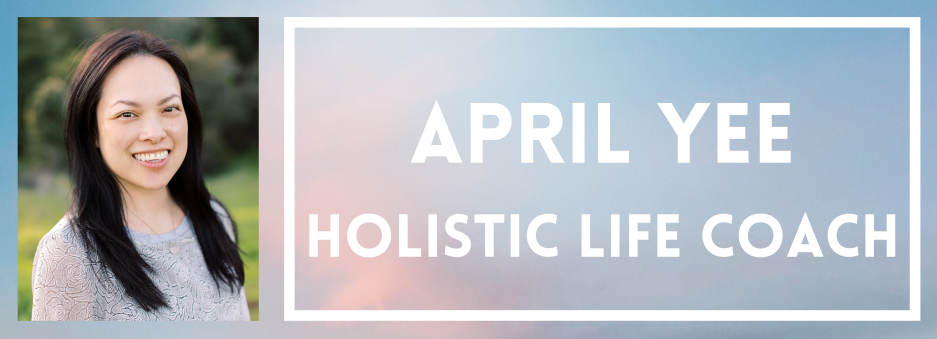
How to feel worthy

Pay attention to YOU.

To feel worthy, you must first make your own instincts worthy of your attention and your effort.

pg. 223 (From The 5 Second Rule by Mel Robbins)

Many of us struggle or have struggled to feel worthy. We know that it’s important to feel worthy. We know that we should feel worthy. But how do we actually start to feel worthy? Where does worthiness come from? 

In my experience, feeling worthy is a process. It doesn’t happen overnight, though when it does happen, it seems to have happened overnight! But it’s really due to all the work we’ve done with ourselves over time.

The first step to feeling worthy is to become aware of the ways in which we don’t feel worthy. This can show up in different forms and in different areas of our lives. Maybe we feel worthy in some aspects of our lives, so getting accolades at work feels natural. Or being in a healthy partnership comes easy. Or being financially stable is just a “given.” 

But in the areas in which we don’t feel worthy, those are the areas where we struggle. 

  • We don’t feel we deserve great friendships, so we shy away from connection and wonder why we feel lonely.
  • We don’t feel worthy of the praise from our boss, so we don’t believe her kind words.
  • We don’t feel deserving of the gifts from our loved ones on our birthday, so we feel guilty receiving them.
  • We think the new apartment we moved into is “too good” for us and feel undeserving to live there.
  • We wait for the other shoe to drop when a new relationship starts, like “Wait until they really get to know me…” or we end up sabotaging it ourselves. 

Again, it can come up in various forms. 

To feel worthy, one thing we must do for ourselves is to pay attention to ourselves. For me, I was always disregarding myself, ignoring myself, abandoning myself.

I did this in order to please others, to have what I THOUGHT I wanted, even if it meant dishonoring my needs and what I REALLY wanted. I wasn’t paying attention to myself, my instincts, and what was true for me. I tried to convince myself to want what didn’t really align with me, I contorted myself to fit what someone else wanted. I lied to myself and lied to others – unintentionally – because I thought it was the “right” thing to do in order to seek approval. 

By paying attention to ourselves, we learn what is true for us and how truth FEELS for us. We then know when we’re lying to ourselves. When we lie to ourselves, that is a form of abandoning ourselves. When we pay attention to ourselves, we show ourselves that we are worthy of attention and effort. Especially from ourselves.

When we start paying attention to ourselves, our thoughts, feelings, and behaviors change. They become more aligned with our truth. We start to see that we have always been worthy. And what we are engaging in is the process to UNLEARN our feelings and beliefs of UNworthiness. 

I learned about some of my unhealthy beliefs about worthiness through therapy and life coaching. And I’ve been doing the work to UNLEARN all the ways I thought I wasn’t worthy before. Coming from a place of worthiness changes everything.

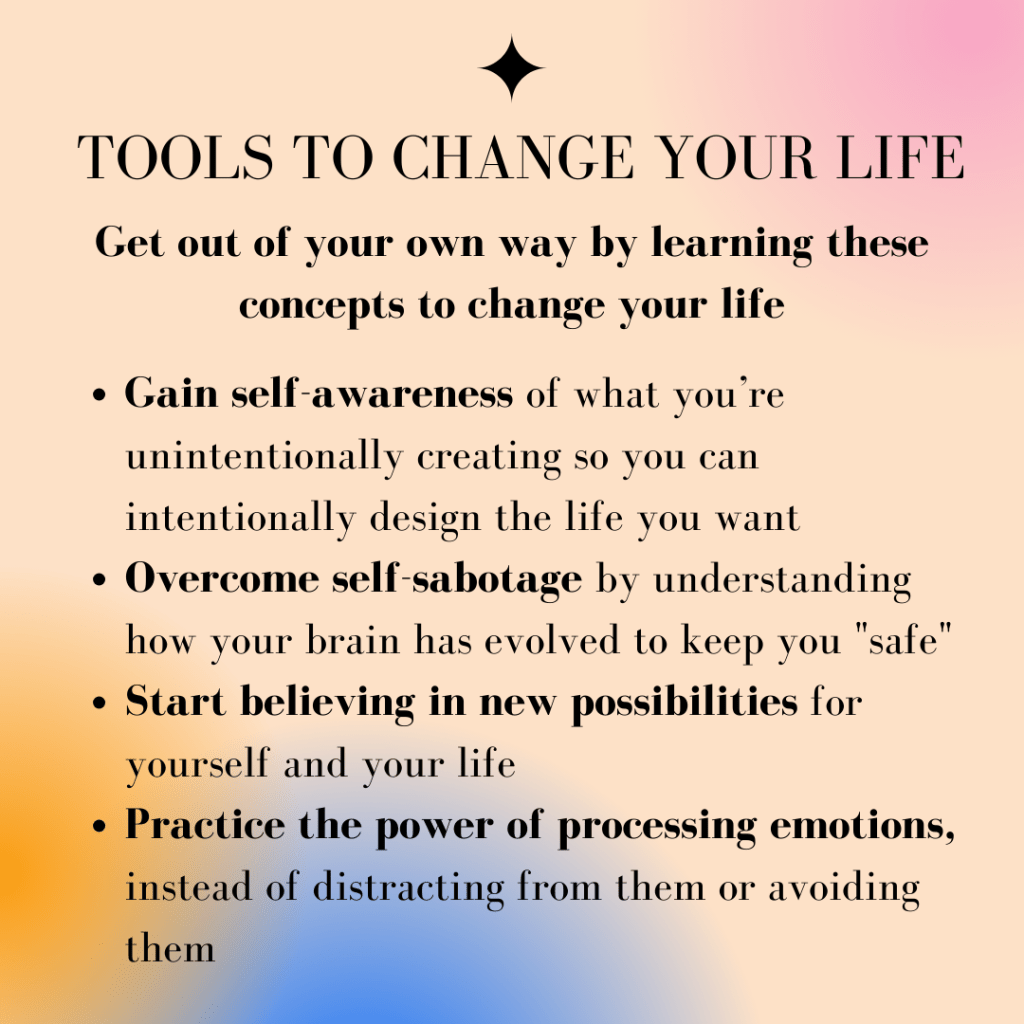
So I’ve created an introductory coaching series called “Tools to Change Your Life” to support others on their own path to UNlearning all the ways they believed they were unworthy before to seeing that they have ALWAYS been worthy.

You can consider this program for yourself or for someone in your life who could benefit from a program like this!


Subscribe if you want to receive this content directly in your inbox.

Work with me: Want to see how self-care is transformative and can help you create the results you want in your life? I can show you how. I offer first-time seekers a complimentary 45-minute exploratory session. Sign up here.

What’s on your mind? It can be powerful to learn from each other and our common struggles when it comes to our practice of self-care–or just being a human being. If you have something you’re struggling with and would like some perspective, share it here. Your issue may be chosen and addressed in the next post–it’ll be totally anonymous.

Talk about what hurts

To heal.

“We’ll never be okay if we don’t talk about what hurts.” – Ashley Ford (https://www.ashleycford.net/bio)

I heard this quote mentioned on a podcast I listened to and it resonated with me. So often, we talk about everything BUT what really hurts. 

We bottle up our emotions and wonder why we feel so much resentment, powerlessness, guilt, or shame. 

Sometimes we don’t even tell ourselves the truth about what really hurts us because it’s “easier” not to think about it. But then not thinking about it actually makes our lives harder in some ways because we disconnect from our truth – and from ourselves. We hide from ourselves or tell ourselves it’s not a big deal, that we need to get over it, that we’re “stronger” than this. 

I think what helps us feel stronger is when we tell the truth and actually talk about it instead of denying it to ourselves. Talking to trusted friends or family members might feel supportive. Or talking to a therapist, counselor, or coach might feel safer – someone more objective and who has tools to hear us and empower us to move forward.

For me, seeing a therapist regularly to talk about what hurts was one of the most empowering things I’ve done for myself. When I let myself be vulnerable and saw that someone else could hold space for that vulnerability, I allowed myself to then learn to hold space for myself in that way. I allowed myself to be more vulnerable with myself and then with others. I stopped hiding myself so much and this is what also allowed me to be more authentic and aligned with who I am. I started to feel okay with who I was. 

One revelatory truth for me during therapy was, “I am okay . . . I have always been okay . . . and I will always be okay.”

Your turn: What hurts have you been denying or hiding from yourself? How might talking about them help you? Who is someone that you can talk to?

Subscribe if you want to receive this content directly in your inbox.

Work with me: Want to see how self-care is transformative and can help you create the results you want in your life? I can show you how. I offer first-time seekers a complimentary 45-minute exploratory session. Sign up here.

What’s on your mind? It can be powerful to learn from each other and our common struggles when it comes to our practice of self-care–or just being a human being. If you have something you’re struggling with and would like some perspective, share it here. Your issue may be chosen and addressed in the next post–it’ll be totally anonymous.

When you hide yourself

Accept yourself instead.

In the past, I wanted to portray myself in a way where others would think I had it all together and knew what I was doing. That I had everything I wanted. That I was “fine” and living a “fine” life the way I wanted to.

But I was hiding. I wasn’t allowing myself to be open and vulnerable. To be real and tell the truth. Why?

Patriarchal concepts, especially within my private equity job at the time, played into my perception of myself. I used to armor myself, metaphorically, to put forward a competent, self-sufficient, capable version of myself who wasn’t emotional or sensitive. Who was there and could do the job no matter what, pick up the pieces for others – even at the expense of myself sometimes. 

I didn’t give myself space to be authentic, partly because I didn’t know what that even meant for me. Who was I? What did I want? What brought me joy? I didn’t know the answers to those questions internally – I based what I wanted on external, societal, patriarchal values of what I “should” want or have for myself as a “successful” person. 

I didn’t allow myself to be known because there were parts of myself that seemed unacceptable to me, because I thought they were weak. And I didn’t want other people to know about those weak parts. 

It wasn’t until I started therapy after going through emergency open-heart surgery that I had a chance to look more closely at how I was living my life, by questioning beliefs I held that weren’t actually serving me, to redefine what success looked like and meant for me, to understand why I had armored and hid myself. 

Through therapy, coaching, and deep self-care practices, I learned how to accept more parts of me, to start telling myself the truth about what I needed and wanted, about who I am. 

I learned how I can share myself with others in a more authentic way, to hold space for myself and for them to show up in real ways, not in people-pleasing ways. 

I continue on this journey and I get to learn even more about myself and others along the way. I’m passionate about sharing how self-care can shift us to a place of self-acceptance and eventually to self-love

Your turn: What parts of yourself have you been hiding and why? How would your life be different if you learned to accept those parts of yourself? How might practicing powerful self-care help you show up differently in the world, for yourself and for others?

Subscribe if you want to receive this content directly in your inbox.

Work with me: Want to see how self-care is transformative and can help you create the results you want in your life? I can show you how. I offer first-time seekers a complimentary 45-minute exploratory session. Sign up here.

What’s on your mind? It can be powerful to learn from each other and our common struggles when it comes to our practice of self-care–or just being a human being. If you have something you’re struggling with and would like some perspective, share it here. Your issue may be chosen and addressed in the next post–it’ll be totally anonymous.

“I don’t got this”

And that’s OK.

How many of us have said to others or have had it said to us, “You got this!”? Or how many times have we said to ourselves, “I got this!”? 

Sometimes that phrase can be an energizing, motivating way to support someone else or ourselves. Sometimes we need to hear it to get a nudge of confidence or determination to do something hard. 

And sometimes, the most supportive thing we can tell ourselves is the truth, “I DON’T got this.”

It might be a hard truth to hear for some of us who are used to figuring it out no matter what or pushing through it all the time. 

But try it out. Let it sink in. “I don’t got this.” 

How does it feel to say that? Maybe to admit that?

Maybe it doesn’t feel realistic. Maybe it doesn’t feel supportive. Maybe it feels icky. Why?

Or maybe it feels like relief. Maybe it feels like a revelation. Maybe it feels responsible. 

When we can allow ourselves to think or say, “I don’t got this,” we are allowing ourselves to tell the truth in some aspect of our lives that might feel daunting or overwhelming. Sometimes our lives can feel that way because we are human beings living in a world that we mostly can’t control.

If we can admit to ourselves, “I don’t got this,” a helpful next thing to ask is, “What do I need?”

Our brains like to find answers, so asking “What do I need?” gives our brain a job to do. The answer might be:

  • “Let it be for now” or
  • “I think I need to talk to someone” or
  • “I think I need to ask John for help” or 
  • “I think I need to ask Susie for help too” or
  • “I think I need to slow down” or
  • “I think I need to cry it out”

Or whatever the answer might be, listen and allow. 

It doesn’t mean we give up and we’ll never “got this” again. It means right now, we need some extra support – either from ourselves or from others who we trust to help or support us in a way that works for all involved.

Your turn: Where in your life do you “don’t got this”? Are you willing to admit that to yourself and have it be OK for now? Are you open to seeing what you need to move forward? How would you like to support yourself in this?

Subscribe if you want to receive this content directly in your inbox.

Work with me: Want to see how self-care is transformative and can help you create the results you want in your life? I can show you how. I offer first-time seekers a complimentary 60-minute exploratory session. Sign up here.

What’s on your mind? It can be powerful to learn from each other and our common struggles when it comes to our practice of self-care–or just being a human being. If you have something you’re struggling with and would like some perspective, share it here. Your issue may be chosen and addressed in the next post–it’ll be totally anonymous.

When you redefine “success”

For you.

I was in therapy for the first time 8 years ago in January 2016. (I can’t believe it was that long ago now!) I realized I needed to talk to someone after going through emergency open heart surgery that saved my life – and also uprooted it. 

I’d been living in Manhattan for three years and happened to be back in San Francisco when I got admitted to the hospital in April 2015. I’d been experiencing symptoms for a month at that point, but because back then, I didn’t know how to listen to or understand my body, I wasn’t aware of what was happening or how serious the situation was. I was used to pushing through things. But all that changed after the surgery and I had to recalibrate what was physically possible for me in my body. 

I didn’t initially realize it, but I had attached a lot of my identity to work – I was someone who could work 12-14 hour days and get things done no matter what. I physically couldn’t do that anymore. So I felt lost, like I didn’t know how to live in my life any longer. I’d been so used to operating in a certain way for so long: go, go, go, do, do, do. 

Because I was “being successful” while doing that. 

One of the first revelatory things my therapist and I talked about was what my definition of success was. What did success mean and look like to me? Up until then, it had been unconsciously defined for me, by colleagues, society, media, peers. 

Success had looked like making a certain amount of money, having a certain job title, living a certain lifestyle, having that type of car, having these types of clothes, living in a certain neighborhood, eating at those types of restaurants, being “busy” as a sign of worth, stress as a “status” symbol, doing all the things while doing all the things. 

Honestly, when I think about it now, I see how exhausting it all was. I can’t imagine going back to that way of living “successfully.”

I had to redefine what success looked like to me post-surgery, in my new state of being in my body. Sometimes success looked like showing up for therapy sessions after being in pain the day before. Sometimes it looked like setting a boundary with a family member. Sometimes it looked like telling the truth to myself. Sometimes it looked like celebrating a new insight that I’d learned. 

My therapist empowered me to define what success looked like to me then, through a new perspective, through an internal lens of my own perception and how I felt in my body, not an external lens of other people’s perceptions while disregarding myself. 

Doing that took a lot of pressure off – pressure I didn’t even realize I was putting onto myself. Doing that also helped me feel more connected to myself and my life. It helped me show up the way I wanted to for myself, instead of the way I thought I needed to for others. And my definition of success continues to evolve.

How many of us are allowing other people or things to define what success means and looks like for us? Let’s start redefining it for ourselves based on who we want to be, how we feel in our bodies, and how we want to show up for our lives.

Your turn: How might redefining success for yourself be valuable to you? How might redefining success change the way you prioritize things? How do you want to redefine what success means and looks like for you? 

Here are three questions to consider in redefining success for yourself: 

  1. 1. Do I love who I’m being?
  2. 2. Do I love what I’m doing?
  3. 3. Do I love who I’m doing it with?

Good enough, right now

You are.

When I talk about self-care, it’s about more than what we do for ourselves. It’s also about how we speak to ourselves, how we think about ourselves, and how we treat ourselves. Today’s topic relates to how we think about ourselves.

How many of us are familiar with the thoughts “I’m not good enough” or “There’s something wrong with me” or “I’m not worthy”? 

These thoughts are usually under the surface of our consciousness, yet they can run the show for us, even if we’re not aware of them. 

The thought that was running the show for me for many years was “I’m not good enough” and I didn’t even know it was there. But it influenced many of the choices I made and how I viewed myself.

In therapy, “I’m not good enough” revealed itself to me and I understood better why I suffered so much when my romantic relationships ended. Not only was I devastated that the relationship ended, but I also made it mean that I wasn’t good enough to have a “successful” relationship, which to me, meant a relationship “that lasted” (for as long as I wanted it to). I made it mean that because it ended, I was a failure, I wasn’t good enough. Hence, the unnecessary suffering.

Since that time period in therapy, I thought I’d done a lot of work on dissolving that “I’m not good enough” thought. Yet it came up again recently. Another layer showed itself in a slightly different way. 

I recognized that I was believing I had to be better than I am in order to have the things I want. Whether it’s more income, more clients, better health, or a partner. For others, it might be being at an ideal weight, owning a home, getting a new job, starting a business, receiving kindness from others, taking time off, etc. 

I saw the thought, “Something is wrong with me and this is why I don’t have what I want.” I thought I needed to be better than I currently am in order to have what I want. 

And that’s just not true. Because how will I know I’m “better” than I currently am? That could be an indefinite amount of time getting to some “better” version of myself until I deem myself “worthy enough” to have what I want. 

You know what that sounds like? It sounds like, “I have to be perfect before I can have what I want.” And we all know that “perfect” doesn’t exist. Sure, there’s knowledge and skills we can always strengthen, but we don’t have to be “better than” we are right now to believe we are worthy or good enough. We get out of our own way when we let this be true.

So I decided to accept myself exactly as I am, right now. I changed my thoughts to “I’m already good enough, right now, just as I am, to have what I want. I don’t need to be better than I am to have what I want.” And I’m leaning into these thoughts and practicing them. 

Because I don’t have to be “better than” I am. I get to be exactly as I am right now and still create the life that I want to have. What will come to me as I am, is meant for me as I am. And I will learn and grow from creating and having those experiences.

Your turn: What limiting beliefs might be running the show for you? A clue could be that if you think there’s some future version of yourself you need to be to feel “good enough” or if you think you need to “fix” something about yourself to feel worthy, what is the belief beneath that? What do you want to believe about yourself instead?

Subscribe if you want to receive this content directly in your inbox.

Work with me: Want to see how self-care is transformative and can help you create the results you want in your life? I can show you how. I offer first-time seekers a complimentary 60-minute exploratory session. Sign up here.

What’s on your mind? It can be powerful to learn from each other and our common struggles when it comes to our practice of self-care–or just being a human being. If you have something you’re struggling with and would like some perspective, share it here. Your issue may be chosen and addressed in the next post–it’ll be totally anonymous.

Not having it all together

No need to hide.

In the past, I wanted to portray myself in a way where others would think I had it all together. That I knew what I was doing. That I had everything I wanted. That I was “fine” and living a “fine” life the way I wanted to.

But I was hiding. I wasn’t allowing myself to be open and vulnerable. To be real and tell the truth. Why?

Patriarchal concepts, especially within my private equity job, played into my perception of myself. I used to armor myself, metaphorically, to put forward a competent, self-sufficient, capable version of myself who wasn’t emotional or sensitive. Who was there and could do the job no matter what, pick up the pieces for others–even at the expense of myself sometimes. 

I didn’t give myself space to be authentic, partly because I didn’t know what that even meant for me. Who was I? What did I want? What brought me joy? I didn’t know the answers internally–I based what I wanted on external, societal, patriarchal values of what I “should” want or have for myself as a “successful” person. 

I didn’t allow myself to be known because there were parts of myself that seemed unacceptable to me, because I thought they were weak. And I didn’t want other people to know about those parts. 

It wasn’t until I started therapy after going through emergency open-heart surgery that I had a chance to look more closely at how I was living my life, by questioning beliefs I held that weren’t actually serving me, to redefine what success looked like and meant for me, to understand why I had armored and hid myself. 

Through therapy, coaching, and deep self-care practices, I learned how to accept more parts of me, to start telling myself the truth about what I needed and wanted, about who I am. I learned how I can share myself with others in a more authentic way, to hold space for myself and for them to show up in real ways, not in people-pleasing ways. 

I continue on this journey and I get to learn even more about myself and others along the way. I’m passionate about sharing how self-care can shift us to a place of self-acceptance and eventually to self-love

Self-care is not just about bubble baths and massages–it goes beyond that, if we’re willing to see how powerful it can be. 

Your turn: What parts of yourself have you been hiding and why? How would your life be different if you learned to accept those parts of yourself? How might practicing powerful self-care help you show up differently in the world, for yourself and for others?

Go beyond bubble baths. Find out more here. 

Subscribe if you want to receive this content directly in your inbox.

Work with me: Want to see how self-care is transformative and can help create a more meaningful life in which you start committing to yourself and show up the way you want? I can show you how. I offer first-time seekers a complimentary 45-minute exploratory session. Sign up here.