
All-or-nothing thinking

Drop it.

One of the things that can get in the way of our self-care practices is all-or-nothing thinking. 

All-or-nothing thinking is an unhelpful thinking pattern that we may be engaging in. We can recognize when we’re doing this when we’re thinking in extremes: we’re either a success or a failure. Our performance was perfect or terrible. If we’re not one hundred percent, then we’re a zero. If we can’t exercise for an hour, then we won’t do it at all.

That last example creates a majority of the reasons why most people don’t engage in self-care practices. Some people might have an unrealistic idea – an ideal – of what self-care looks like for them.

And when they can’t meet that ideal, they don’t do ANYTHING.

For example, because Sara thinks she has to exercise for an hour 4 times a week, when she has to stay 20 minutes later at work than expected one afternoon, she decides that she can’t exercise for a full hour before going home to make dinner, so she doesn’t go to the gym at all that day. And because she didn’t go to the gym that day, her gym momentum takes a hit and she doesn’t go again for a week and a half. 

If Sara dropped her all-or-nothing thinking, she could’ve gone to the gym and exercised for 30 minutes – even 20 minutes would have been beneficial.

Or because Kevin thinks he has to meditate for 30 minutes every time he sits down to practice, when he finds himself with only 10 minutes one day, he skips his practice entirely. And his meditation practice momentum takes a hit and he finds himself skipping practice for several days because he “doesn’t have time.” 

If Kevin dropped his all-or-nothing thinking, he’d recognize that meditating for 10 minutes can still be beneficial.

Or because Charlie thinks she has to stick to her diet 100% or it won’t work, when she finds herself eating two more cookies than she planned on Tuesday, she quits her whole diet for the next two weeks. Quitting won’t get us to our goal faster. 

If Charlie dropped her all-or-nothing thinking, she could instead think, “OK, I ate two extra cookies today, but I can still stick with my plan for dinner. And tomorrow, I can stick with my meal plan too. I don’t have to give up just because I went off part of my plan today.”

It’s great to set ambitious goals for ourselves. But not at the expense of us meeting those goals. It’s about having realistic plans for the time we DO have, with the decisions we CAN make, and with the CAPACITY we have.

With any practice, consistency and commitment are important. Showing up is key. Even for 5 minutes.

So when we want to have a movement goal of exercising every day and we only have 5 minutes in the morning and 5 minutes in the evening to do something, we DO something during those 5 minutes. 

It could be 10 pushups and 10 squats, twice a day. 

It could be a 5 minute walk twice a day. 

It could be 5 minutes on a bike/treadmill in the morning and 5 minutes stretching at night. 

But we DO it when the time comes. We show up for ourselves when the time comes. 

Showing up for ourselves consistently builds trust in ourselves to do what we say we’ll do. Even if it’s only for 5 minutes at a time. 

And what we may find is that those 5 minutes build strength, energy, and motivation to extend our movement time. We might find ourselves wanting to make more time to build on what we started and do 10 minutes at a time. Or find a 30-minute time chunk each day. We won’t know what’s possible for us until we try. 

And still, maybe it happens that one day, we don’t even have 5 minutes and we only have 2 minutes. We can still do SOMEthing during those 2 minutes to move our body around intentionally.

So we can drop the all-or-nothing thinking. We can start having more realistic ideas of what our self-care plan looks like. And then we show up for those plans. We show up for ourselves.

Your turn: Where in your life might you be engaging in all-or-nothing thinking? Do you find yourself wondering why you’re not engaging in the self-care practices you KNOW you can do? Are your self-care plans realistic or unrealistic to fit into your life right now? How can you create self-care practices that FIT into your life exactly the way it is right now? 

Dig Deeper: In what ways might you need to make changes in your life to help support your self-care practices? (Hint: making those changes IS part of self-care.)

Subscribe if you want to receive this content directly in your inbox.

Work with me: Want to see how self-care is transformative and can help you create the results you want in your life? I can show you how. I offer first-time seekers a complimentary 60-minute exploratory session. Sign up here.

What’s on your mind? It can be powerful to learn from each other and our common struggles when it comes to our practice of self-care–or just being a human being. If you have something you’re struggling with and would like some perspective, share it here. Your issue may be chosen and addressed in the next post–it’ll be totally anonymous.
Joy vs. Buffering

What’s the difference?

Last week we talked about doing things that bring us more joy. And I mentioned that this week we’ll look at the difference between doing things that bring us joy and engaging in behaviors that have a net negative consequence or that are self-sabotaging. 

So, what is buffering? Buffering means engaging in an action to put a buffer between us and a feeling we don’t want to feel. 

We buffer to avoid feeling emotional pain or uncomfortable emotions. When we buffer, we use external things to change how we feel internally. 

The actions might look like we are doing things that bring us joy, like getting a sweet treat, having a nice glass of wine, or purchasing a small gift for ourselves. When we are experiencing joy, there’s a peaceful, easy, celebratory feel to it.

The difference with buffering is that we are likely OVER-doing something and feel out of control with it, like overeating, overdrinking, overspending, over-Instagraming, over-Netflixing, overworking, over-cleaning, or over-exercising. It could be anything, if we’re using that thing/action to prevent ourselves from feeling an emotion.

These things become false pleasures that have a net-negative outcome: When we overeat, we gain weight. When we overdrink, we end up with hangovers and half of the next day is ruined. When we overspend, we go into debt or don’t meet our savings goals. When we over-Instagram, we lose time that could be used in more valuable ways.

If buffering is what we do to avoid pain/discomfort, it makes sense that when we stop buffering, we’ll feel pain/discomfort. But most of us don’t understand this, which makes it almost impossible to stop buffering.

We have to be willing to feel uncomfortable in order to move past our buffers.

An analogy for this is like stepping into a house and turning on the lights and the house is a mess. The obvious and easiest answer is to turn the lights back off (to buffer) so the mess will “go away.” But the mess doesn’t go away–you just can’t see it now because the lights are off.

It’s similar with emotions. Avoiding an emotion doesn’t make the emotion go away—it just helps us not to see or feel it. We pretend it isn’t there, but it is there, and it’s there for a reason.

When we stop buffering, we’ll likely experience temporary pain. And the pain isn’t caused by the lack of buffering. What we need to do is stop buffering ourselves long enough to find the ACTUAL cause of the pain. 

When we give up our buffers, we’ll still get upset, but we’ll deal with it differently. We won’t head for the ice cream, which will just make us feel sick or regretful. We’ll deal with it by becoming aware and examining why we’re upset. Soon, we won’t even want ice cream or chips because the (false) pleasure we get from food—or whatever buffering actions we’re doing—actually diminishes, and the pleasure we get from taking care of ourselves and fueling ourselves increases.

Instead of using external things to change how we feel, we can use our minds to change how we feel. Or we can keep the emotion and choose to feel and process it in the moment.

Your turn: What feelings have you been avoiding? What are the false pleasures you’ve been engaging in? In what way would your life be better if you didn’t have these false pleasures? Are you ready to stop buffering and willing to feel some discomfort instead, to move towards real well-being?

Subscribe if you want to receive this content directly in your inbox.

Work with me: Want to see how self-care is transformative and can help you create the results you want in your life? I can show you how. I offer first-time seekers a complimentary 60-minute exploratory session. Sign up here.

What’s on your mind? It can be powerful to learn from each other and our common struggles when it comes to our practice of self-care–or just being a human being. If you have something you’re struggling with and would like some perspective, share it here. Your issue may be chosen and addressed in the next post–it’ll be totally anonymous.

What about joy?

Know it for YOU.

One of the first ways I started to learn how to take better care of myself was through asking the question, “What brings me joy?” 

I learned this question in my Holistic Life Coach certification program. And that was the first time anyone had suggested to me that this was a good question to ask myself. And to know how to answer it. In multiple ways. 

In working with my clients, it’s not a surprise that some of them have no idea how to answer the questions, “What do you want?” or “What brings you joy?” 

This is because they’ve been too busy letting other people have what they want, or helping others get what they want, or thinking about what others might want. 

This looks like saying:

  • “Oh, I’ll be fine with whatever you choose.”
  • “I know you like pizza, so let’s get that.”
  • “You have great taste, so I’ll let you choose.”
  • “OK kids, we’ll watch the movie you want.”
  • “OK honey, we’ll go where you want to go.”

This is not to say that we stop being considerate or thoughtful of what others want or stop going with the flow sometimes, but rather, we can start thinking about what WE truly want, like, and enjoy. Just so we know that for ourselves. 

We can still take part in and enjoy what others like AND we can learn to advocate for ourselves so others participate in what we like sometimes too. We don’t need to force them to do it and we don’t need to force ourselves to do it, if we don’t want to. And sometimes we might choose to do something that ISN’T our preference because it’s easier to do it than not to do it – it saves an argument or conflict from happening. That’s an intentional choice we make sometimes. And that’s OK, as long as it doesn’t become the default and create resentment.

When we can start knowing for ourselves what brings us joy and allow ourselves to partake in these things, we start to listen to and honor ourselves more deeply.

This is part of caring for ourselves, to let ourselves experience joy, comfort, and pleasure. Even if they are small things to start, like staying in pajamas all day, baking something, knitting/crocheting, sitting in silence in the car, watching an episode (or three) of reality TV, buying hot apple cider at the farmers market, or intentionally noticing the flowers on a walk.

Next week we’ll look at the difference between doing things that bring us joy and engaging in behaviors that have a net negative consequence or that are self-sabotaging. (Think: getting an ice cream cone because it brings you joy when you are actively working on reducing your sugar intake to lose weight. Which is why it’s great to have multiple ways to experience joy.)

Your turn: What kind of flowers do you like? What fabrics feel good on your skin? What colors do you enjoy wearing? What scents do you love? What soothes you? What have you been wanting to do / experience / eat / have but haven’t made the time for yourself to do / experience / eat / have that? When is the next time you can make time to do / experience / eat / have that? Make a plan to make it happen for you. When you do it, remember to thank yourself for making it happen.

Subscribe if you want to receive this content directly in your inbox.

Work with me: Want to see how self-care is transformative and can help you create the results you want in your life? I can show you how. I offer first-time seekers a complimentary 60-minute exploratory session. Sign up here.

What’s on your mind? It can be powerful to learn from each other and our common struggles when it comes to our practice of self-care–or just being a human being. If you have something you’re struggling with and would like some perspective, share it here. Your issue may be chosen and addressed in the next post–it’ll be totally anonymous.

When you care for yourself

In all the ways.

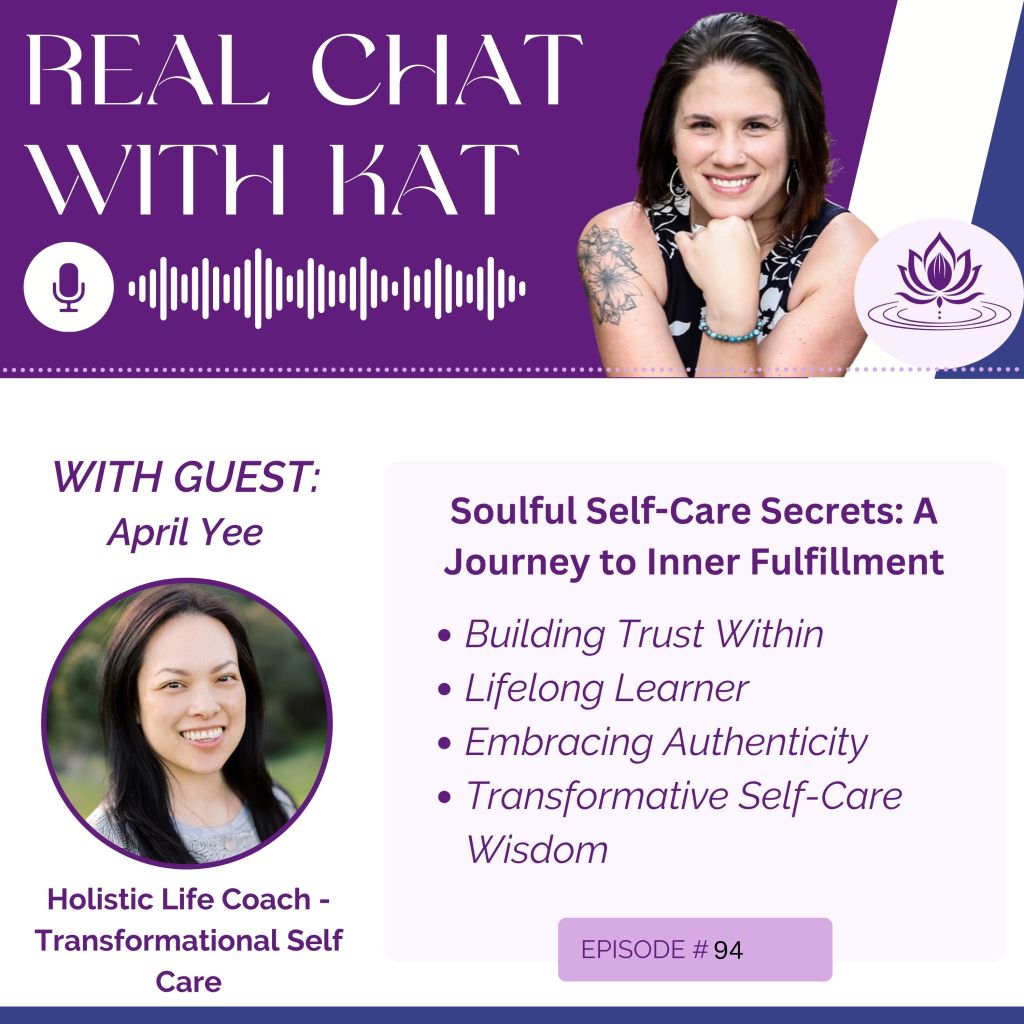
Before we dive into this week’s topic, I was recently a guest on a podcast and I’m sharing the episode here if you’d like to check it out!

Now, on to this week’s topic!

Self-care is holistic. The term self-care has gotten a lot of buzz in the past few years, and rightfully so. It’s important for us to know that it’s okay to care for ourselves, that it’s vital to care for ourselves.

But how much of that is marketing? We hear about getting a frothy, sugary drink as “self-care”; we know that a massage is some good self-care; we can think of hair appointments and nail appointments as self-care.

And these things can definitely be part of self-care. What else is part of self-care?

We can consider how we care for ourselves around:

  • – Creative expression
  • – Money and finances
  • – Time
  • – Career and work
  • – Nutrition and health
  • – Hydration
  • – Physical movement and flexibility
  • – Sexual expression
  • – Play and rest
  • – Mindful breathing
  • – Skincare and bodycare
  • – Mind and mental health care
  • – Sleep
  • – Relationships
  • – Connection with nature
  • – Self (e.g. worth, value, respect, esteem)

All of these aspects are part of who we are as whole people. Sometimes we can get more focused on a couple aspects over others – and at times, it’s necessary to do so. But when we stray away too long from any one of these aspects, we can feel misaligned with ourselves and our lives, which can affect how we show up for ourselves and for others. 

The good news is that we can get realigned by considering where we want to consciously focus more of our energy. 

Do we want to focus on drinking enough water each day? Do we want to focus on getting enough sleep each night? Do we want to focus on connecting with our relationships more? 

When we decide which 1-2 areas (at a time) we’d like to consciously put more of our energy towards, we can then ask ourselves, “How can I make sure I _______?” – drink enough water, get enough sleep, get in touch with what I’m thinking and feeling, be out in nature at least twice a week, connect with someone close to me today, eat healthy meals at least once a day, take deep breaths during the day.

And the brain, in its powerful way, will get to work on finding the answers and figuring it out so we can focus our energy on caring for ourselves in a holistic way.

(Note: It’s helpful to constrain at first to focus on 1-2 areas. If we try to focus on more than that at one time, we might end up feeling overwhelmed and not doing anything for ourselves in any of the areas. Once we get good with those 1-2 areas, we can move on to 1-2 others.)

Your turn: Are you feeling misaligned with how you want to show up and how you are showing up? Which 1-2 areas in your life can you holistically focus on right now to feel more aligned with how you want to show up in the world? What are you willing to do in order to allocate your energy where you want it to go?

Subscribe if you want to receive this content directly in your inbox.

Work with me: Want to see how self-care is transformative and can help you create the results you want in your life? I can show you how. I offer first-time seekers a complimentary 60-minute exploratory session. Sign up here.

What’s on your mind? It can be powerful to learn from each other and our common struggles when it comes to our practice of self-care–or just being a human being. If you have something you’re struggling with and would like some perspective, share it here. Your issue may be chosen and addressed in the next post–it’ll be totally anonymous.

Speak no evil

About yourself or to yourself.

Last week I shared about the 3 pillars of transformative self-care – the first pillar being how we think about ourselves. Let’s talk about the second pillar today: how we speak about and to ourselves.

The language that we use can affect us through our mind-body connection. 

I hear people say things like:

  • “That kills me!”
  • “I’m dying right now!”
  • “It’s such a pain in my neck!”
  • “Shoot me now!”
  • Or even the gesture of a thumb and index finger to the head, creating a pistol going off 

These phrases accompany things that relate to feelings: hilarity, annoyance, exasperation, or aggravation. We know they’re just pop culture phrases that people say to emphasize something they’re experiencing. But our words can affect us and those around us.

There’s a book called Your Body Believes Every Word You Say and from it, we learn that we want to become mindful of the language we use about ourselves and to ourselves. Not only to prevent physical manifestations of illness, disease, or pain, but also to reinforce what we believe about ourselves.

If we’re always denigrating ourselves to others – even in playful, joking ways like, “I’m such a dumbass, you’ll never guess what I did” – we might take small hits to our self-esteem without even realizing it. Our words might be reflecting what we really think about ourselves on a deeper level. 

This is not a gloom and doom warning, but rather a nudge to become more aware of how we can take care of ourselves – by using our words intentionally about ourselves, when we talk to others and when we talk to ourselves. 

AND, even when we talk about or think about others. Sometimes what we think about others and what we judge other people for is also a judgment about ourselves. What is it that they’re doing that we don’t allow ourselves to do? If we judge someone for being late, it’s because we likely never allow ourselves to be late. If we judge someone for being carefree and spontaneous, where in our life are we withholding that from ourselves? 

Instead, what if we practice phrases like this externally:

  • “That’s amazingly hilarious!”
  • “I’m so gleefully amused right now!”
  • “Honestly, that’s been really hard for me to manage.”
  • “I’m recognizing I need support in handling this.”

And internally: 

  • “I’m learning how to really like myself now.”
  • “I care about how hard this has been for me.”
  • “I know I’ll be able to figure this out.”
  • “I love myself no matter what.”

Our words are powerful and we can use them consciously and mindfully. We can use our words to care for ourselves – to support ourselves and build ourselves up. 

Your turn: Are you aware of how you speak about and to yourself? What do you notice when you pay closer attention to the words you use? How would you like to shift the language you use in your daily life to support your well-being even more? 

Dive Deeper: What are the stories you tell yourself about yourself? (For example, “I’m this [______] way because that [_____] happened to me.”) Are these stories true? What if they’re not and never were? What do you want to change about these stories to make them more empowering?

Subscribe if you want to receive this content directly in your inbox.

Work with me: Want to see how self-care is transformative and can help you create the results you want in your life? I can show you how. I offer first-time seekers a complimentary 60-minute exploratory session. Sign up here.

What’s on your mind? It can be powerful to learn from each other and our common struggles when it comes to our practice of self-care–or just being a human being. If you have something you’re struggling with and would like some perspective, share it here. Your issue may be chosen and addressed in the next post–it’ll be totally anonymous.