When you don’t feel “good enough”

One of the things many of my clients struggle with is not feeling “good enough.” 

When we don’t feel good enough, we do things to try to prove that we’re good enough. This is how it can show up in our lives:

  • Working without boundaries, i.e. overworking
  • Not asking for help when we need it – sometimes being unaware that we even need help
  • Thinking we need to be and look “perfect” all the time
  • Talking to ourselves in critical, judgmental ways if we aren’t “perfect” – usually without knowing it
  • Staying too long – in relationships, jobs, homes
  • Doing so much that we’re unable to take time for ourselves 
  • Grasping onto things that aren’t in our best interest in order to prove something to ourselves and/or others – lifestyle, relationship, job, etc. 

Those things are usually unhealthy behaviors. And sometimes we’re not aware that they’re unhealthy until it’s too late. And that’s OK. That’s how we learn what isn’t working for us. And it’s a path forward to learning what DOES work for us, in healthier ways.

It’s OK to find out what isn’t working in order to move towards what does work – it’s probably the most common way we learn things. Sometimes we learn from our past experiences, a line in a book we’re reading, a story about someone else’s experience, or just being sick and tired of being sick and tired. 

I learned about some of my unhealthy behaviors through therapy and life coaching. And I’ve been doing the work to become healthier and engage in my life in ways that DO work for me. It’s been so fulfilling to live differently by living INTENTIONALLY with awareness of what I’m creating in my life.

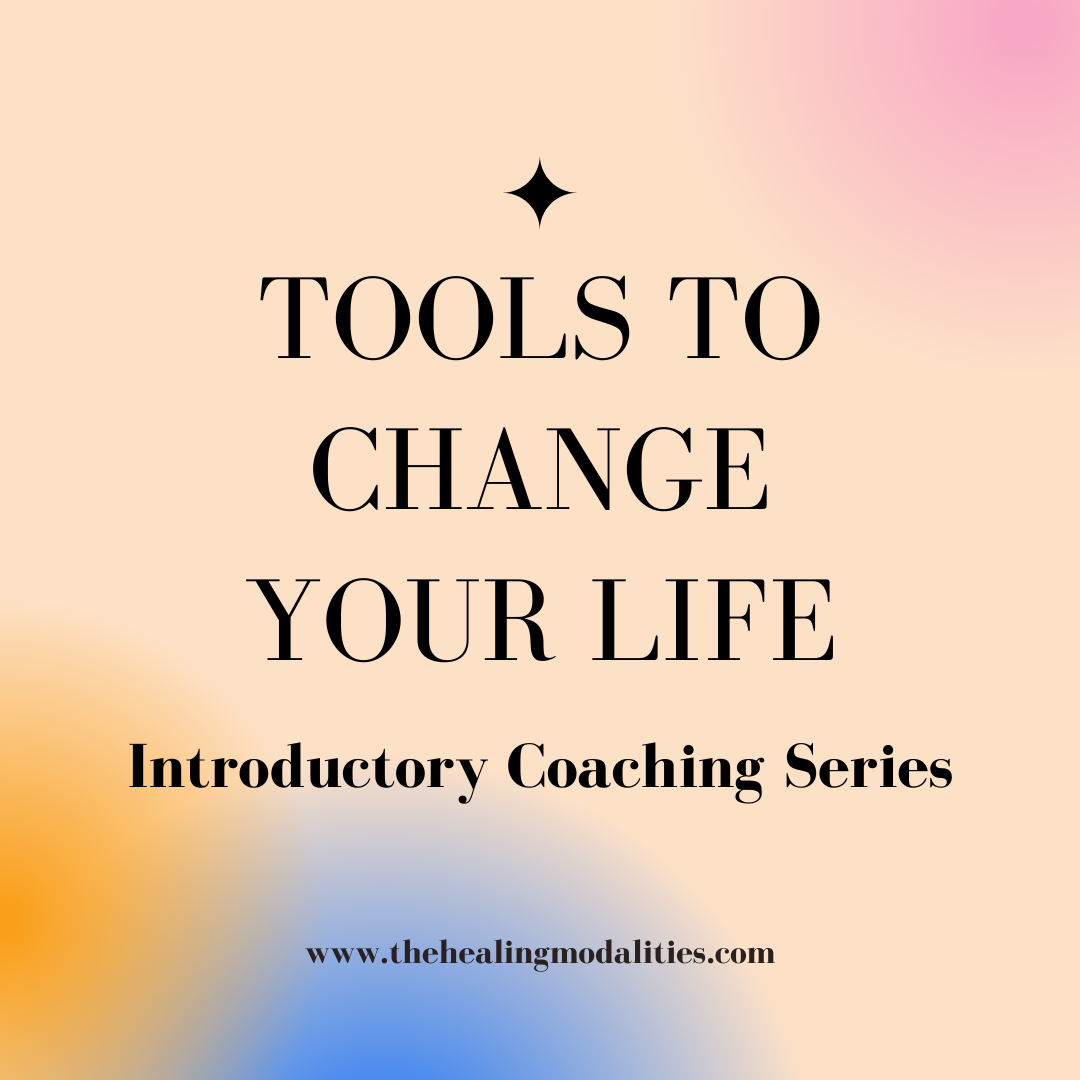
So I’ve created an introductory coaching series called “Tools to Change Your Life” to support others on their own path to becoming aware of what ISN’T working for them, so they can discover what DOES work for them.

You can consider this program for yourself or for someone in your life who could benefit from a program like this!


Subscribe if you want to receive this content directly in your inbox.

Work with me: Want to see how self-care is transformative and can help you create the results you want in your life? I can show you how. I offer first-time seekers a complimentary 45-minute exploratory session. Sign up here.

What’s on your mind? It can be powerful to learn from each other and our common struggles when it comes to our practice of self-care–or just being a human being. If you have something you’re struggling with and would like some perspective, share it here. Your issue may be chosen and addressed in the next post–it’ll be totally anonymous.

When you show up for life

You choose.

Many of us head into our days somewhat haphazardly. We might not have a morning routine established yet where we get to step into our day, but our day seems to “come at” us instead.

One quick practice that can impact our day is setting an intention for how we want to show up that day.

The way I talk about showing up means not just being in the room or being somewhere, but how we interact with ourselves and how we interact with others. On purpose. 

We can decide in the morning what our intention is for showing up today. We can decide how we want to show up for ourselves and we can decide how we want to show up for others.  

An intention for showing up for ourselves can sound like this:

“I want to show up for myself today by acknowledging what’s good in my life.”

“I want to show up for myself today by honoring my commitments.”

“I want to show up for myself today by telling the truth to myself.”

An intention for showing up for others can sound like this:

“I want to show up for others today by hearing what they have to say.”

“I want to show up for others today by being compassionate towards them.”

“I want to show up for others today by being patient with them.”

We can choose on purpose. And it doesn’t mean we do it 100% that day. But we can start. And we can keep practicing. 

Your turn: What intention do you want to set for showing up for yourself today? For showing up for others? What intentions might you turn into habits? What awareness do you want to bring to this practice? 

Subscribe if you want to receive this content directly in your inbox.

Work with me: Want to see how self-care is transformative and can help you create the results you want in your life? I can show you how. I offer first-time seekers a complimentary 60-minute exploratory session. Sign up here.

What’s on your mind? It can be powerful to learn from each other and our common struggles when it comes to our practice of self-care–or just being a human being. If you have something you’re struggling with and would like some perspective, share it here. Your issue may be chosen and addressed in the next post–it’ll be totally anonymous.

Wish we learned this in school

Who’s responsible?

We’ve all likely heard the saying that “You’re responsible for your own happiness.” It likely makes sense on an intellectual level, but how many of us actually embrace this?

If we’re responsible for our own happiness, that means we take responsibility for how we’re feeling–with ANY emotion. 

But when we were younger, we learned the opposite from adults and even in school. We hear adults say, “You hurt Jimmy’s feelings. Say sorry!” or “Did she hurt your feelings by doing that?” And we’d likely think that “Yes, she hurt my feelings by doing that.”

Eleanor Roosevelt is quoted as saying, “No one can make you feel inferior without your consent.” 

What’s really going on is that we’re making what someone else says or does mean something about ourselves. We’re basically agreeing with what they said or did, which is the only way something can hurt us—if we let it. If we think it’s somehow true about us or if we somehow deserve it. 

Again, intellectually, this may make some sense. Living it and practicing it can be harder though, because we’ve been conditioned to believe that we cause other people’s feelings and that other people cause ours. 

But we know from the Model that our thoughts create our feelings. It’s not the external circumstance that creates our feelings, even though it’s so easy to think that the circumstance is causing us to feel something. It’s what we’re thinking about the circumstance that creates our feelings. Our thinking creates our feelings. 

So in that sense, we can see how we ARE responsible for what we feel. Once we really become aware that this is how it works, we can be intentional about how we want to feel. Which means being intentional about how we are thinking.

I think some of us have a misconception that someone else is supposed to help our lives be great. When we relinquish ourselves from taking this responsibility, who do we think it belongs to? 

I used to want someone to come save me from my life when I was feeling dissatisfied and like things were missing from my life. 

You know what was missing from my life? ME. I wanted someone else to take the responsibility that is mine, to help my life become better than it was. To create more income for me, to find opportunities for me, to find a partner for me, to find a place for me to live, to help me eat healthy meals, to take care of me. How could someone else do this if I wasn’t willing to do it for myself? 

No one is going to do it for us. No one is going to live our lives for us. That’s our responsibility. We get to take care of ourselves and our lives. Intentionally. 

We have everything we need within us to take responsibility. 

And that is great news. Because then we realize we can have the exact life we want when we take responsibility for creating it and caring for ourselves along the way. Intentionally.  

Your turn: What have you been giving responsibility to someone or something else to fulfill for you? Are you willing to take responsibility for this? How might your life be different if you started taking even more responsibility for what you want? How might your life be different if you practiced intentional self-care?

Dive Deeper: Do you feel any resistance to the idea of taking responsibility in this way? If yes, why? What if those thoughts are just limiting beliefs about what’s possible for you?

Want to learn more about the Model and how your thoughts create your feelings? Sign-up for an exploratory session here.

Subscribe if you want to receive this content directly in your inbox.

Work with me: Want to see how self-care is transformative and can help create a more meaningful life in which you start committing to yourself and show up the way you want? I can show you how. I offer first-time seekers a complimentary 60-minute exploratory session. Sign up here.

What’s on your mind? It can be powerful to learn from each other and our common struggles when it comes to our practice of self-care–or just being a human being. If you have something you’re struggling with and would like some perspective, share it here. Your issue may be chosen and addressed in the next post–it’ll be totally anonymous.

Check your attention

Where is it?

Do you know where your attention is focused in your life? Does it seem like you’re all over the place? Like you’re not focused because there are too many things vying for your attention?

While this is a normal experience, it doesn’t have to be yours if you don’t want it to be.

Like willpower, we have a limited amount of attention to spend during a day or a week. When we’re not intentional about where we spend our attention, we may be wasting it. 

We may think we’re focusing on certain things, but “other” things are really getting our attention instead. We want to be aware of this so we can refocus on what’s really important to us.

Let’s say we have 100 units of attention for one day. Where do we want to spend those units on purpose during our day?

To find out where we’re currently spending our attention, we can make a list of things that we’re giving our attention to. Think about the things that are getting your attention, that demand your attention, or things that you want to be giving attention to but aren’t. 

You’ll see things that are getting your attention and you may notice areas where you’re neglecting to give the attention that you want to. 

You may also notice areas where you’re giving so much of your attention to but you don’t actually want to be paying that much attention to—because you’re sacrificing other areas that you actually want to pay attention to. 

For example, in the past, I used to think about relationships a lot and focus on what wasn’t going right in them and how I could make things better or control things in a way where I could feel good and be happy. But I wasn’t paying enough attention to other parts of my life where I actually had more control. And everything just spiraled downward because I was focusing my attention on things that I didn’t have control over and couldn’t actually change. 

What if I had used all that mental energy and attention on taking better care of myself, or creating opportunities and experiences, or finding other options in my life instead?

This is not to say that our attention should never waver. It does and it will because we have human brains. We just get to decide what we want to focus more or less of our attention on during our days. As it relates to self-care, this can serve us well. 

Now I practice focusing my attention on purpose on what’s valuable to me and where I want to create shifts or changes in my life that can move me forward. I focus attention on taking care of myself in the myriad ways that self-care encompasses. I ruminate less on what I think isn’t going well and focus more on what IS going well—and also on expanding what I think is possible in my life and what thoughts I want to have instead, on purpose. 

Your turn: What are the things that you give your attention to that energize you? What are the things that drag your attention away and de-energize you? What do you SAY that you value in your life? Does where you spend your attention reflect this? How can you be more intentional about where you focus your attention on things that move you and your life forward?

Subscribe if you want to receive this content directly in your inbox.

Work with me: Want to see how self-care is transformative and can help create a more meaningful life in which you start committing to yourself and show up the way you want? I can show you how. I offer first-time seekers a complimentary 45-minute exploratory session. Sign up here.

What’s on your mind? It can be powerful to learn from each other and our common struggles when it comes to our practice of self-care–or just being a human being. If you have something you’re struggling with and would like some perspective, share it here. Your issue may be chosen and addressed in the next post–it’ll be totally anonymous.

Dopamine on purpose

Choose intentionally.

Let’s talk about dopamine. Dopamine is our motivation neurotransmitter and it seeks reward and pleasure. 

We get hits of dopamine from eating sugar, social media likes, checking social media, checking email, thinking about pleasurable things/people, or finishing tasks, just to name a few things.

Because our actions can be driven almost unconsciously by our desire for dopamine hits, we want to start being more aware of where we get our dopamine on purpose. OR decide that we need less dopamine overall. 

So here’s how we can think about this. Our human brains can be rewarded in many ways. Mostly, the way our brains were designed was to be rewarded initially by things that would keep us alive, which is a very good idea.

So we are rewarded by things like accomplishment, by comfort, by food, by sex, by conserving energy.  When we were just starting to develop as humans, those were some of the things that drove us to stay alive, versus just staying in the cave, being afraid, and not going anywhere. We had dopamine driving our reward system, so we would go and seek things out.

We want to become aware of where we’re focusing our dopamine seeking. If we’re focused on getting dopamine from food, for example, we’ll be thinking about the next snack, our next meal, going to the grocery store, going to Starbucks, going to dinner, etc. However, this likely leads to a negative result of being overweight or having disordered eating.

Recently, I’ve been getting dopamine from learning through online courses, reading self-help books, and creating more in my business. I get dopamine from doing hard things—things that I “don’t feel like” doing, but I do them anyway because it serves me to do them. 

We can get dopamine from taking a walk, from completing a task (even just a small one), from seeing a clean floor after vacuuming, from singing, from creating, from anything that rewards us with some pleasure. 

When we become more aware of where our dopamine is focused, we can take better care of ourselves.

We get to decide, “I’m now going to spend more time doing these things that contribute to the life that I want and the results I want in my life.” Instead of unconsciously choosing other things that may produce negative results. 

Your turn: Where are you directing your dopamine? Where are you directing your desire? Where are you currently getting the most rewards? Where do you want to be getting rewards from on purpose? What pleasurable things would you like to create for yourself to experience and enjoy consciously?

Subscribe if you want to receive this content directly in your inbox.

Work with me: Want to see how self-care is transformative and can help create a more meaningful life in which you start committing to yourself and show up the way you want? I can show you how. I offer first-time seekers a complimentary 45-minute exploratory session. Sign up here.

What’s on your mind? It can be powerful to learn from each other and our common struggles when it comes to our practice of self-care–or just being a human being. If you have something you’re struggling with and would like some perspective, share it here. Your issue may be chosen and addressed in the next post–it’ll be totally anonymous.